
Coolant leaks in your Lincoln can lead to engine overheating and costly damage. This guide provides practical steps for diagnosing and fixing coolant leaks, including common causes and preventive measures. Learn how to address leaks quickly to maintain your vehicle’s performance and avoid expensive repairs.
Why Coolant Leaks Matter for Your Lincoln
A leaking cooling system spells trouble for your car. It often causes engines to fry and results in massive bills from the mechanic. Don’t let a Taunton heat wave fry your motor. Checking your cooling system regularly prevents the kind of overheating that leads to permanent engine failure. Addressing coolant leaks early can protect your engine from severe harm and extend the lifespan of your Lincoln.
How the Cooling System Works
Your Lincoln relies on its cooling system to manage engine heat and prevent a total meltdown. Your engine stays cool because this liquid pulls heat away from the metal. The radiator then drops the temperature of the fluid so it can keep working.
The hardware consists of the radiator and water pump along with the thermostat and connecting hoses. A leaky hose or radiator drops your fluid levels fast. Without that liquid to cool things down, your engine faces a total meltdown.
Common Causes of Coolant Leaks in Lincolns
Several issues can lead to coolant leaks in your Lincoln:
| Problem | What it Means for Your Lincoln |
| Worn or Cracked Hoses | The rubber lines that move coolant are old, cracked, or brittle—often due to age or weather. |
| Damaged Radiator | The main cooling component is rusted or has been hit by road debris/damaged in an accident. |
| Faulty Water Pump | The pump that circulates coolant is leaking or failing to do its job, leading to low coolant and overheating. |
| Broken Thermostat Housing | The casing around the thermostat has a crack or damage, causing coolant to seep out. |
| Failed Head Gasket | A serious issue where the seal between the engine block and cylinder head is broken, mixing coolant with oil or exhaust. Requires immediate repair. |
Symptoms of Coolant Leaks in Your Lincoln
The following signs can indicate a coolant leak:
- Low Coolant Levels: If you notice that your coolant levels are consistently low, it’s a clear sign that there may be a leak in the system.
- Engine Overheating: An engine that frequently overheats is often caused by insufficient coolant due to a leak.
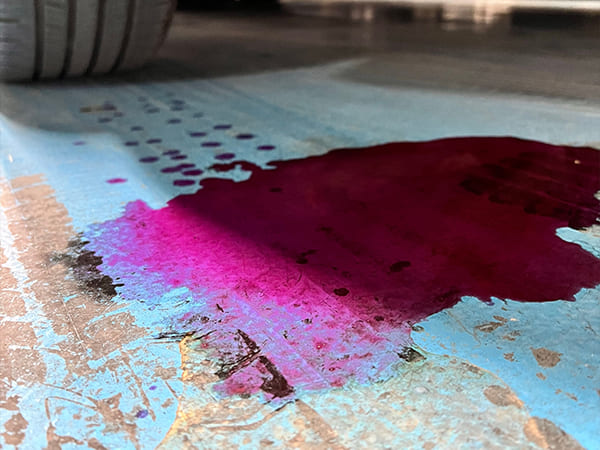
- Puddles of Coolant Under the Vehicle: A visible puddle of green, orange, or pink fluid under your vehicle could be coolant leaking from one of the system’s components.
- Sweet-Smelling Exhaust: If you notice a sweet smell coming from your exhaust, this may indicate coolant is leaking into the engine and burning.
- Engine Warning Lights: Many vehicles, including Lincolns, will trigger the check engine or coolant temperature light if there is a problem with the cooling system.
How to Fix a Coolant Leak: DIY vs. Professional Help
While some coolant leaks can be fixed with basic DIY repairs, others may require professional intervention. Here are some potential solutions:
DIY Repairs
- Tightening or Replacing Hoses: If the coolant leak is coming from a hose, check for cracks or loose connections. Tightening the hose clamp or replacing the hose can often resolve the issue.
- Replacing the Radiator Cap: If the leak is coming from the radiator cap, replacing it is a simple and inexpensive fix that can stop coolant from leaking out.
- Using a Radiator Stop Leak: If the leak is minor and you need a temporary solution, a radiator stop leak product can be used to seal small leaks in the radiator or hoses. However, this is not a permanent fix and should only be used in emergencies.
- Checking the Water Pump: If the water pump is leaking, replacing the gasket or water pump may solve the problem. This requires some mechanical knowledge, so it’s important to assess whether you are comfortable with this task.
Professional Help
For more complex issues, such as a damaged radiator, broken water pump, or failed head gasket, it’s important to consult a professional mechanic. Professional repair ensures that the problem is correctly diagnosed and fixed to prevent further damage.
Cost, Risk, and Downtime Considerations
Neglecting a coolant leak can lead to serious consequences:
- Engine Damage: If a coolant leak is not addressed, the engine can overheat, causing internal damage such as warped cylinder heads or a blown head gasket, which can be very costly to repair.
- Increased Repair Costs: Fixing minor leaks early can prevent the need for more expensive repairs later. Waiting too long to address the problem can result in needing to replace major engine components.
- Vehicle Downtime: If your vehicle is overheating due to a coolant leak, it could be out of commission for an extended period while repairs are made, causing disruption to your daily routine.
Local Considerations in Taunton, MA
In Taunton, MA, the cold winters and fluctuating temperatures can place additional stress on your vehicle’s cooling system. Freezing temperatures can cause coolant to expand and crack brittle hoses, while hot summer months can exacerbate overheating issues. Regular maintenance and early detection of coolant leaks are especially important in areas with extreme temperature variations to avoid long-term engine damage.
Proactive Maintenance Saves Your Engine
Coolant leaks can quickly escalate into major issues if not addressed. Regular maintenance, early detection, and prompt repairs are essential to prevent overheating and engine damage. By taking care of your Lincoln’s cooling system, you can keep your vehicle running smoothly for years to come.
Professional Coolant Leak Diagnosis at Simon’s Auto Repair
If you’re experiencing signs of a coolant leak, Simon’s Auto Repair in Taunton, MA, offers professional diagnosis and repair services. Our experienced technicians can identify and fix coolant leaks quickly, ensuring your engine runs smoothly and safely. Contact us today for an evaluation.
Frequently Asked Questions About Coolant Leaks
How can I tell if I have a coolant leak?
Look for signs such as low coolant levels, engine overheating, puddles of coolant under the vehicle, or a sweet smell coming from the exhaust.
Can I drive with a coolant leak?
It’s not advisable to drive with a coolant leak, as it can lead to engine overheating and cause significant engine damage if not addressed promptly.
How do I fix a coolant leak in my Lincoln?
Depending on the severity, you may be able to fix minor leaks by replacing hoses or tightening connections. For more serious leaks, such as a damaged radiator or water pump, it’s best to seek professional repair.
How much does it cost to repair a coolant leak in a Lincoln?
Repair costs vary depending on the cause of the leak. Minor fixes, like replacing a hose, may be inexpensive, while more significant repairs, such as replacing a radiator or water pump, can be more costly.
What happens if I ignore a coolant leak?
Ignoring a coolant leak can lead to engine overheating, which may cause expensive internal engine damage, such as warped cylinder heads or a blown head gasket.
