
Replacing the oxygen sensor in your Lincoln is crucial for maintaining fuel efficiency, engine performance, and emission control. This guide provides essential information on how oxygen sensors work, common issues, symptoms of failure, and how professional replacement ensures optimal vehicle health in Taunton, MA.
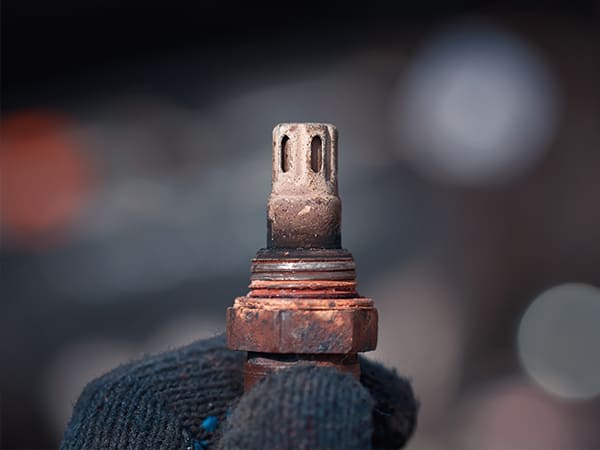
Why Replacing Your Lincoln’s Oxygen Sensor Matters
Think of your car’s oxygen sensor as its lungs. It constantly checks the exhaust to see how much oxygen is left, telling the engine’s brain (the ECU) how much gas to mix with the air. Get this wrong, and your car chugs gas, pollutes more, and just doesn’t run right. Driving around Taunton, whether you’re cruising on the highway or just knocking out your errands, a properly working oxygen sensor is like a breath of fresh air for your engine and a big sigh of relief for your bank account.
How the Oxygen Sensor Works
There are typically two main types of oxygen sensors in modern vehicles: upstream (pre-catalytic converter) and downstream (post-catalytic converter). Think of your Lincoln’s oxygen sensors as a dynamic duo:
- The Upstream Sensor is the air-fuel cop, constantly checking the exhaust before it hits the cleaner (the catalytic converter). It tells the engine exactly how much fuel to use.
- The Downstream Sensor is the quality control checker, ensuring the catalytic converter is actually doing its job after the gases pass through.
They’re vital for keeping your engine running efficiently. But like anything under intense heat, they eventually get tired or gunked up. When they fail, they start sending bad information, and your engine starts running less efficiently.
What Commonly Goes Wrong With Oxygen Sensors?
Several factors can cause oxygen sensors to fail or become less effective:
- Heat Exposure: Over time, the extreme heat under which oxygen sensors operate leads to internal wear and degradation. This heat exposure can compromise the sensor’s ability to transmit accurate data, resulting in inefficient engine performance.
- Contamination: Think of your oxygen sensor like a delicate instrument. When gunk like oil, coolant, or carbon builds up, it clogs the sensor or coats its insides. This means it can’t get an accurate reading or, worse, just fails completely. This happens a lot more often in engines that haven’t been properly cared for.
- Normal Wear: Your oxygen sensor has a tough life! The precious materials inside, like platinum, are constantly getting bombarded by super-hot exhaust gases. After a while, all that wear and tear makes the sensor less sharp and precise.
- Wiring and Connection Issues: Sometimes, the problem may not lie with the sensor itself but with the wiring or connections. A short circuit, loose wire, or damaged connector can disrupt the sensor’s function.
Symptoms of a Faulty Oxygen Sensor vs. Real Causes
A failing oxygen sensor can cause various symptoms, often mistaken for other car troubles. Common signs include:
- Check Engine Light: Frequently indicates sensor failure, especially with other symptoms.
- Poor Fuel Economy: The engine burns excess fuel.
- Rough Idle or Hesitation: Engine struggles due to incorrect oxygen data.
- Increased Emissions: Can lead to failed emissions tests (e.g., in Taunton).
- Unusual Engine Sounds: Caused by misfiring or a rich-running engine.
Because these same symptoms could be caused by other things—like grumpy fuel injectors or a completely choked air filter—you’ll definitely want a pro to take a look and tell you for sure if that oxygen sensor is the real culprit.
Preventive Issues: Best Practices Guide
The best way to keep your oxygen sensors functioning optimally is through regular vehicle maintenance. Here are some steps you can take:
- Routine Inspections: Have your vehicle’s exhaust and sensor system checked during regular service visits. Early detection of sensor issues can prevent more costly repairs down the road.
- Prompt Repairs: Look, if your car is acting up because of a bad oxygen sensor, you really need to get it swapped out fast. Ignoring it and keeping on driving is just asking for bigger trouble—you could totally wreck other parts, like your catalytic converter. And trust me, replacing that thing costs a fortune.
- Proper Maintenance: Keeping your engine well-maintained by changing the oil regularly and addressing engine issues promptly can prevent contaminants from harming the sensor.
Understanding the Cost, Risk, and Time Commitment
Replacing a faulty oxygen sensor might sting your wallet a little, but trust us, it’s way better than ignoring that problem. Seriously, if you let it go, you’re looking at potentially destroying big-ticket items like your catalytic converter. Plus, a bad sensor is a triple whammy: you’ll be guzzling more gas, polluting more, and putting extra stress on your engine. Get it fixed!
When replacing the oxygen sensor, there is typically minimal downtime, with the repair taking a few hours, depending on the vehicle. Replacing your sensor quickly keeps your car running great, prevents more problems, and ensures it meets emissions rules.
Taunton-Specific Considerations: Local Driving and Environmental Impact
Driving in Taunton, whether it’s short city hops or longer highway stretches, puts different kinds of stress on your car’s oxygen sensor. Quick trips mean the engine might not warm up enough, causing wear. Longer drives add strain. Plus, with Taunton’s weather swinging from hot summers to freezing winters, the sensor deals with big temperature changes that speed up wear. Simply put, regular vehicle checkups are key to making sure your oxygen sensor holds up.
Key Insights on Oxygen Sensor Replacement
If you suspect your Lincoln’s oxygen sensor needs replacing or if you’re experiencing any of the symptoms mentioned, Simon’s Auto Repair in Taunton, MA, is here to provide professional diagnostics and quality service. Our experienced technicians are ready to help ensure your vehicle’s performance and efficiency are at their best.
To keep your Lincoln running great—and save you money on gas and repairs—make sure your oxygen sensor is working properly. If you notice any signs of a problem, have a mechanic take a look right away.
Frequently Asked Questions (FAQs)
How often should I replace my oxygen sensor?
Typically, oxygen sensors should be replaced every 60,000 to 100,000 miles. However, this can vary based on driving conditions and vehicle usage. It’s best to refer to your vehicle’s manual for the manufacturer’s recommendation.
Can I drive with a bad oxygen sensor?
While it is technically possible to drive with a faulty oxygen sensor, it’s not advisable. A malfunctioning sensor can lead to poor fuel efficiency, increased emissions, and potential engine damage.
What happens if I don’t replace a bad oxygen sensor?
If ignored, a bad oxygen sensor can cause increased fuel consumption, poor engine performance, and failure of emissions tests. It can also lead to more expensive repairs, such as replacing the catalytic converter.
How can I tell if my oxygen sensor needs to be replaced?
Signs that your oxygen sensor may need replacing include a check engine light, poor fuel economy, rough idling, hesitation during acceleration, and increased exhaust emissions.
Can I replace my oxygen sensor myself?
While it is possible for an experienced DIYer to replace an oxygen sensor, it requires proper tools and knowledge. It’s often best to have a professional technician handle the replacement to ensure the job is done correctly.
